CENTER FOR TRANSLATION STUDIES
Who we are
The Center for Translation Studies was founded in 1978 to foster literary translation, promote communication between languages and cultures, introduce international writers to an English-speaking audience, and to highlight the importance of translation studies in literature and language programs in the universities. In addition, one of our primary functions is to teach graduate and undergraduate students the skills translators use to closely engage with texts in order to translate them.
What we're fundraising for
The Center is currently seeking funding to help us bring to fruition two special issues of Translation Review this year, both of which are currently in process. One issue will focus on translation beyond the literary, such as opera, theater, film, and the role and use of AI. The second special issue is dedicated to Women in Twentieth Century Literary Cultures.
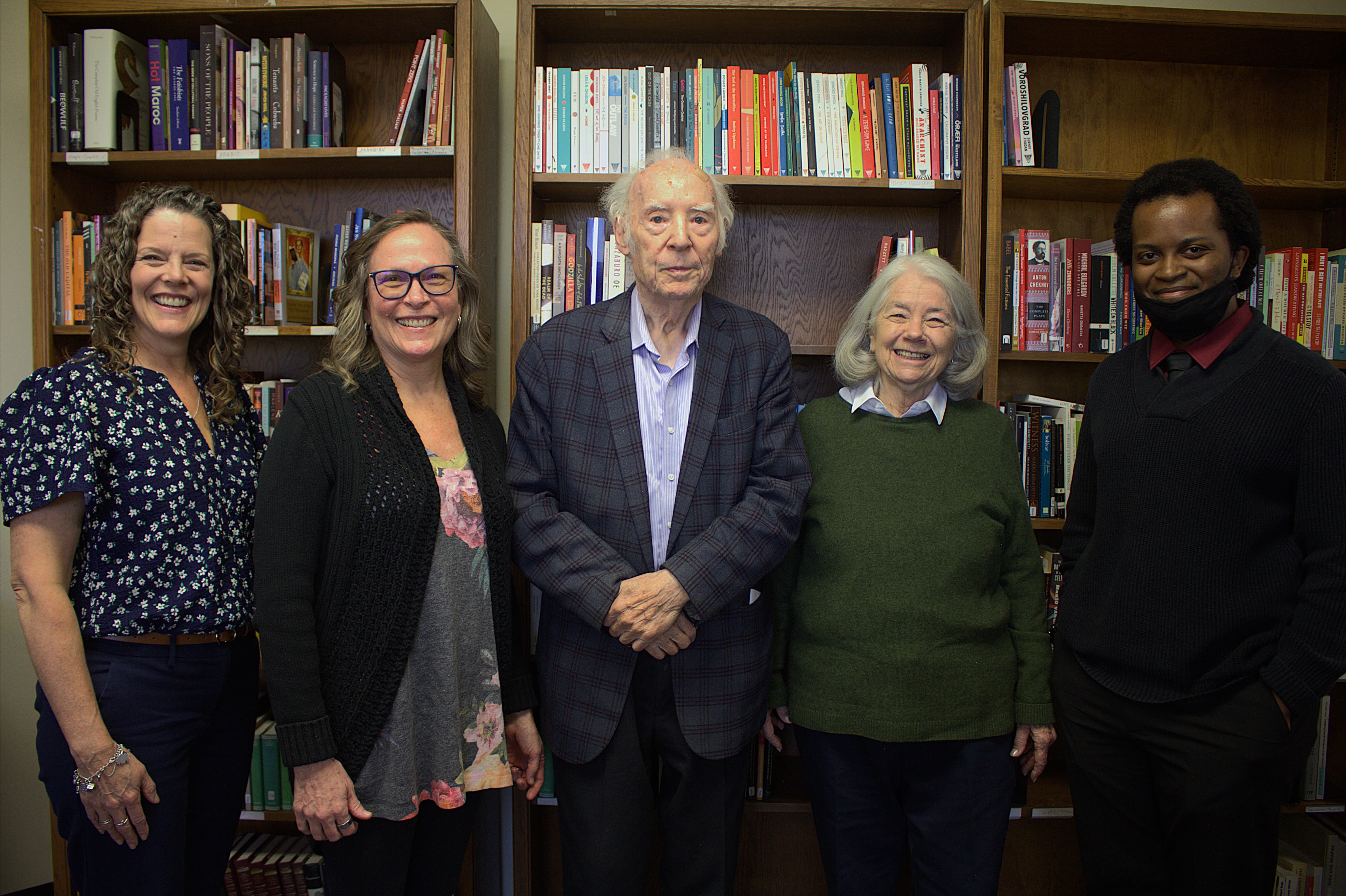 Thanks to our generous donors, our fundraising efforts during last year’s Comets Giving Days allowed us to advance our mission on a variety of fronts. We were able to help fund students to attend literary and translation conferences and to host two MA students from Oaxaca, Mexico. In addition, we hosted events for several interesting and important speakers: Steven Mintz (on innovation in higher education), Katrina Leonoudakis (on audiovisual translation), Thomas Hoeksema (on bible translation). We once again partnered with the Hay Festival Forum Dallas to bring writers, poets, and translators to campus: Jorge Carrión (from Spain), Marina Azahua and Sara Uribe (both from Mexico). In addition, we launched a new YouTube series called Translation Analysis that focuses on audiovisual translation.
Our impact
Our value to the campus is the opportunity for undergraduate and graduate students to learn the art and craft of translation, which allows them to translate literary texts from either an older version of English or foreign languages into English and across genres and modes, greatly increasing the understanding of other times, cultures, and genre conventions. The Center also connects with students across campus and the larger Dallas community through the events we host each year.